MCS
Real-time multilingual chat for distributed support teams. Agents reply in their native language while customers read in theirs — no copy-paste, no lost transcript, no inconsistent translations across the team. Translation runs sub-second on cached language pairs and falls back to the original text when accuracy matters more than fluency. Routing rules, presence, typing indicators, and transcript export all shipped on day 10 of the two-week sprint.
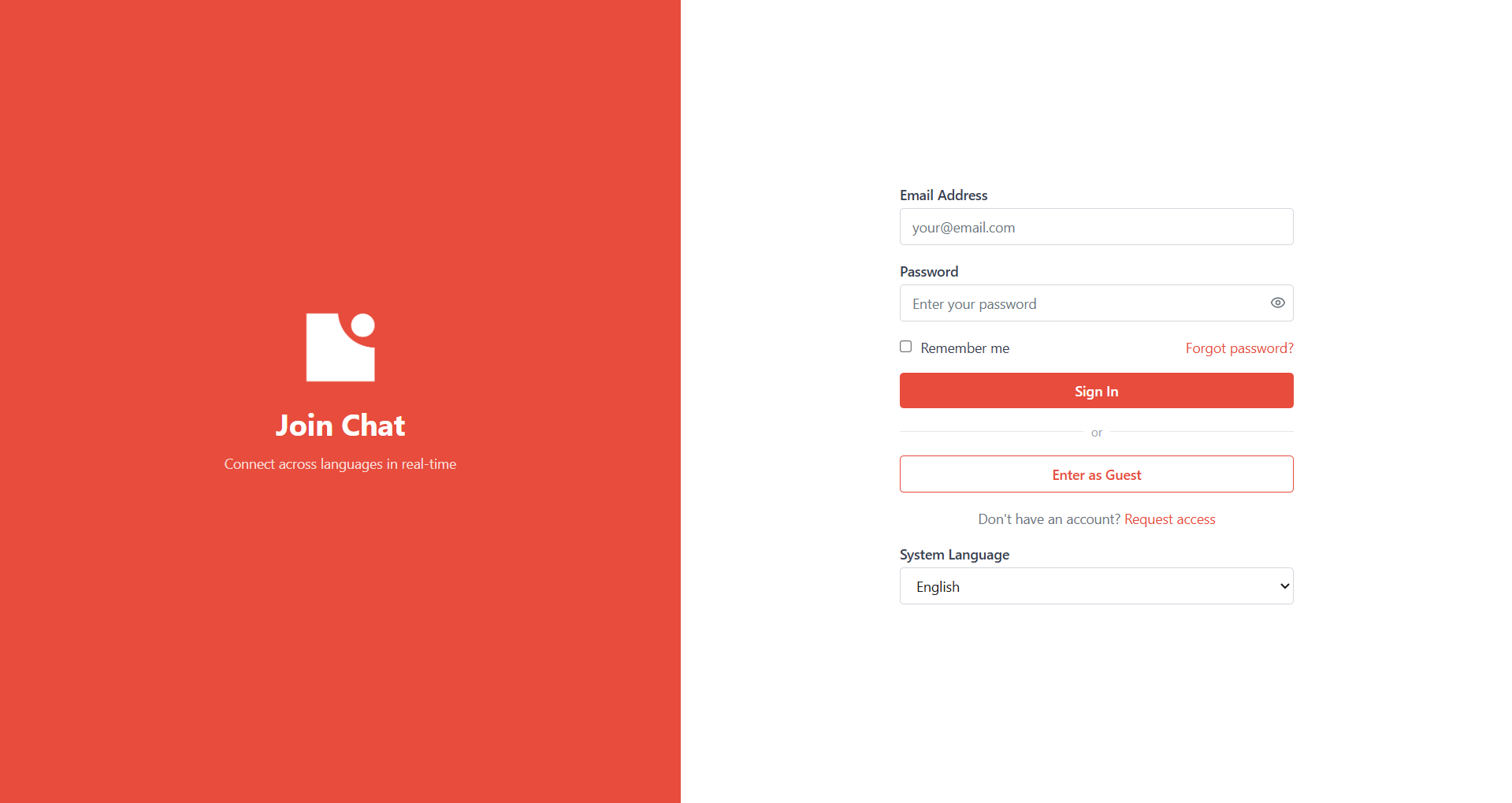


MCS is a real-time messaging platform for support teams that operate across languages. Inbound messages are translated on the fly so agents reply in their native language while customers read responses in theirs — without losing the original transcript.
The client's existing helpdesk forced agents to copy-paste between Google Translate and the chat window. Response times were slipping and translations were inconsistent across the team. They needed a self-hosted alternative on production infra in under three weeks.
We shipped a Node.js + Socket-based chat backend with Redis-backed presence and a translation pipeline that caches results per language pair. The React client renders dual-language bubbles and ships with role-based admin tools, conversation history, and search.
- 01
Live translation
Sub-second inline translation for 12 languages with original-text fallback on hover.
- 02
Presence & typing
Redis pub/sub powers presence, typing indicators, and read receipts at scale.
- 03
Operator console
Routing rules, queue assignment, and transcript export shipped on day 10 of the sprint.